
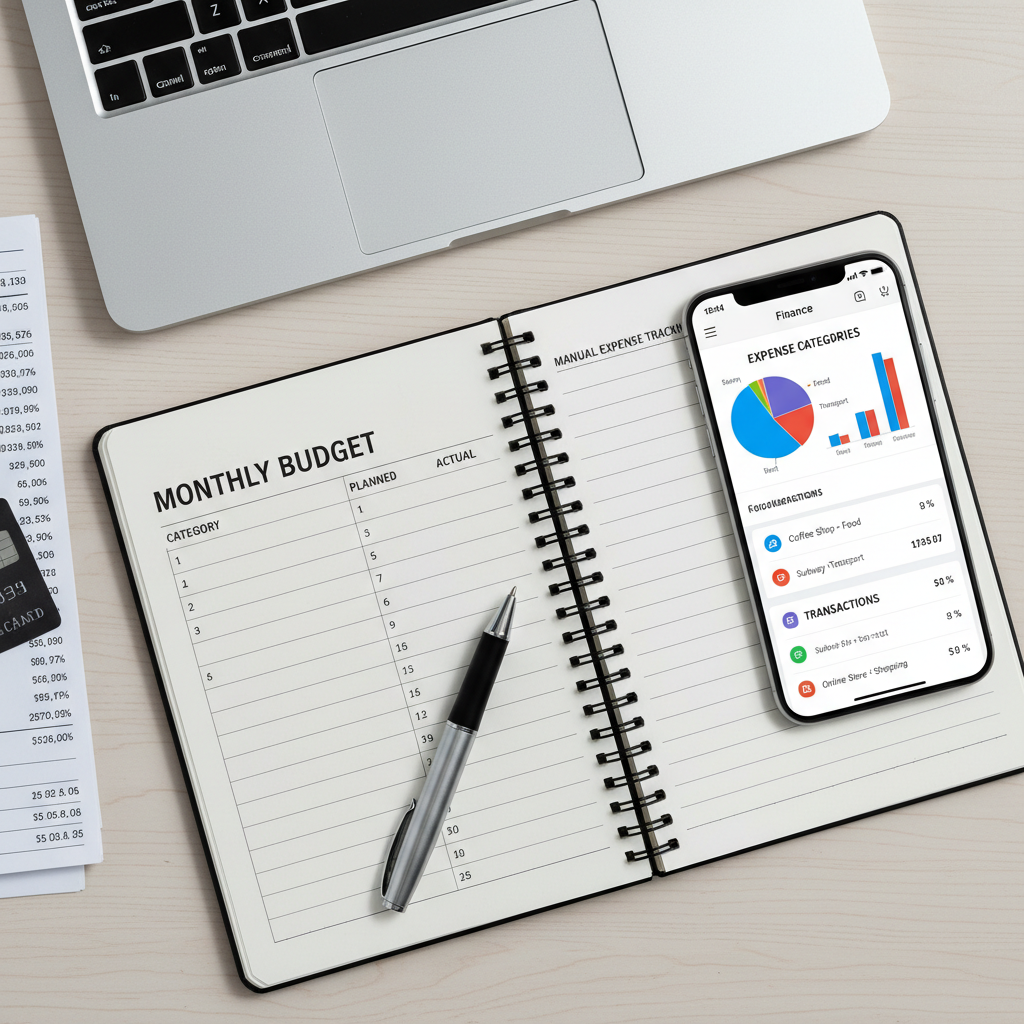
One of the most valuable lessons I have learned through earning my Canadian Bachelor's degree in Accounting and working in finance is that financial confidence begins with understanding where your money goes. Many people think a budget is restrictive or takes the enjoyment out of life. In reality, a well-designed budget does the opposite—it gives you greater freedom, clarity, and control over your finances.
A budget is simply a plan for your money. Instead of wondering whether you can afford a purchase or worrying about unexpected bills, you intentionally decide how your income will be used. That plan should reflect your priorities, whether they include paying down debt, building an emergency fund, saving for a home, travelling, supporting your family, or preparing for retirement.
Creating a budget does not require advanced accounting knowledge. Start by listing your monthly income. Next, identify fixed expenses such as housing, utilities, transportation, insurance, and loan payments. Then estimate variable expenses like groceries, dining out, entertainment, and personal spending. Finally, include regular savings as part of your plan rather than waiting to see what is left over at the end of the month.
One common mistake is treating savings as optional. In my experience, even small, consistent contributions can help build healthy financial habits over time. Setting aside a manageable amount each pay period is often more sustainable than trying to save large amounts occasionally.
A budget should also be flexible. Life changes, and your financial plan should change with it. Reviewing your budget every month allows you to adjust for new goals, changes in income, or unexpected expenses. The objective is not perfection but progress.
Budgeting can also reduce stress. Knowing that you have a plan for upcoming expenses often makes financial decisions feel less overwhelming. Instead of reacting to every bill, you can make thoughtful choices based on your priorities and long-term objectives.
My goal is to make financial concepts easier to understand so that more people feel confident discussing money and asking questions. Financial education empowers better decision-making, regardless of your starting point.
Please note that this article is intended for educational purposes only and reflects my professional experience and education. It is not personalized financial, investment, tax, legal, or insurance advice. Individual circumstances vary, and important financial decisions should be made with the guidance of an appropriately licensed professional
Key Takeaways
• Know your income and expenses.
• Review your budget monthly.
• Save consistently, even small amounts.
• Prepare for unexpected expenses.
• Let your budget reflect your values and goals.
Let's Continue the Conversation
If you would like to learn more about budgeting, financial organization, or building a strong financial foundation, I would be pleased to share educational resources and help you better understand your options. My goal is to make financial concepts approachable and easy to understand. If, after learning more, you need personalized recommendations regarding investments, insurance, or retirement planning, I can connect you with a licensed financial professional who can assess your unique situation and provide advice that is appropriate for your needs. Feel free to contact me through NathalieGermain.Consulting to start the conversation.
Disclaimer: This article is provided for educational purposes only and reflects my education and professional experience. It is not individualized financial, investment, tax, legal, or insurance advice.